Cultivating a New Generation of Civic-Minded
Leaders Ready to Shape Policy in Sri Lanka.
Independent research and dialogue, driving equitable policy across South Asia.
Building a Free, Fair
And Enlightened World
The South Asia Policy and Research Institute (SAPRI) is a non-profit, non-partisan think tank based in Colombo, Sri Lanka. Founded in 2010 under the patronage of former President Chandrika Bandaranaike Kumaratunga, SAPRI was established with a mandate to promote inclusive policy development, democratic governance, and sustainable peace in Sri Lanka and the wider South Asian region. SAPRI currently undertakes projects focused on youth empowerment, fostering leadership, civic engagement, and opportunities for young people across the region.
Driving Change
Through Action
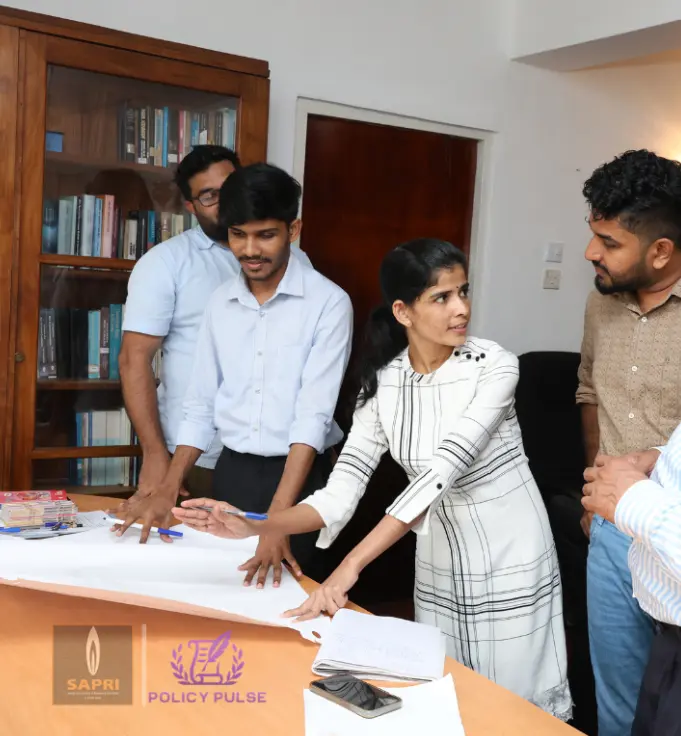
Youth Empowerment
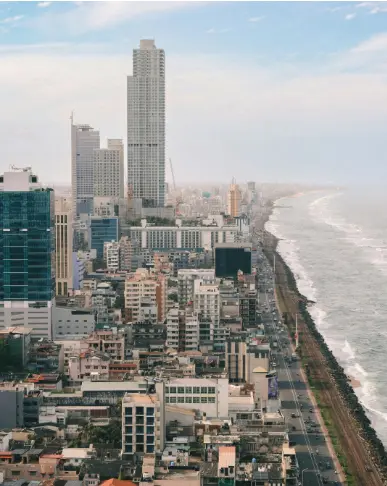
Economic Development and Poverty Alleviation
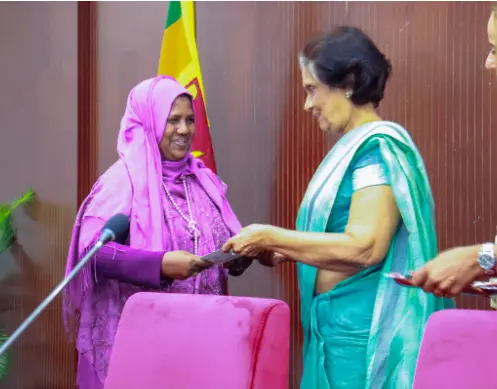
Women Empowerment
Good Governance
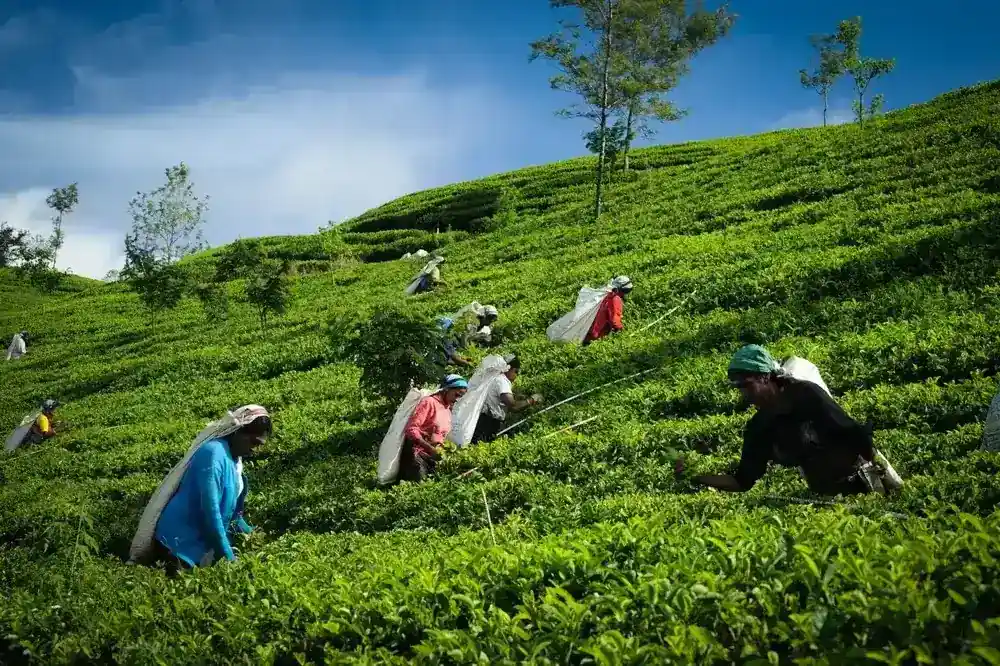
Food Security
Across Nine Provinces,
And the Wider Region
Across Sri Lanka, SAPRI's researchers and partners bring policy to where it matters most. Click on a district to discover our past and active projects.
Our Reach
Active Projects
Districts Reached
Colombo district
Turning Vision Into Reality
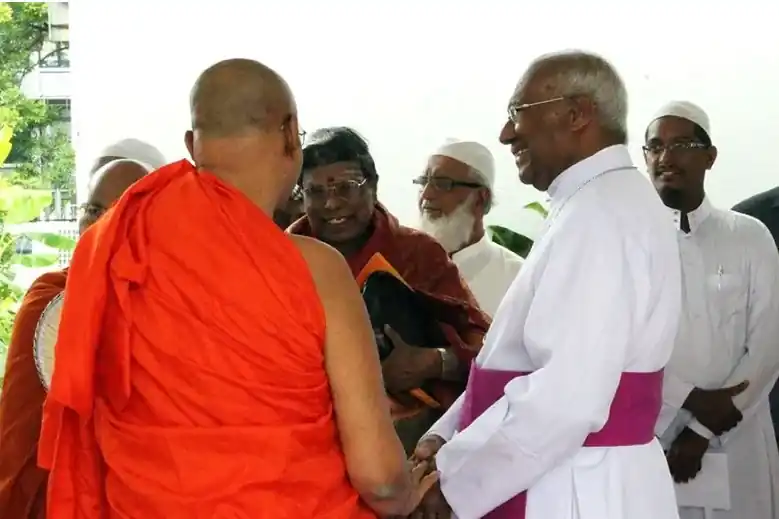
An intense dialogue was initiated to ascertain the challenges to religious harmony in the country was initiated in June 2013 with senior members of the Clergy of the main religions in Sri Lanka, academics, professionals, the legal community, and civil society.
Aligned SDG Goals
SAPRI's work across research, policy, and community programmes aligns with the following sustainable development goals (SDGs): No Poverty (SDG 1), Quality Education (SDG 4), Decent Work and Economic Growth (SDG 8), and Industry, Innovation and Infrastructure (SDG 9). Beyond these, SAPRI's work also aligns with Zero Hunger (SDG 2), Gender Equality (SDG 5), Reduced Inequalities (SDG 10), Climate Action (SDG 13), and Peace, Justice and Strong Institutions (SDG 16).

Blog
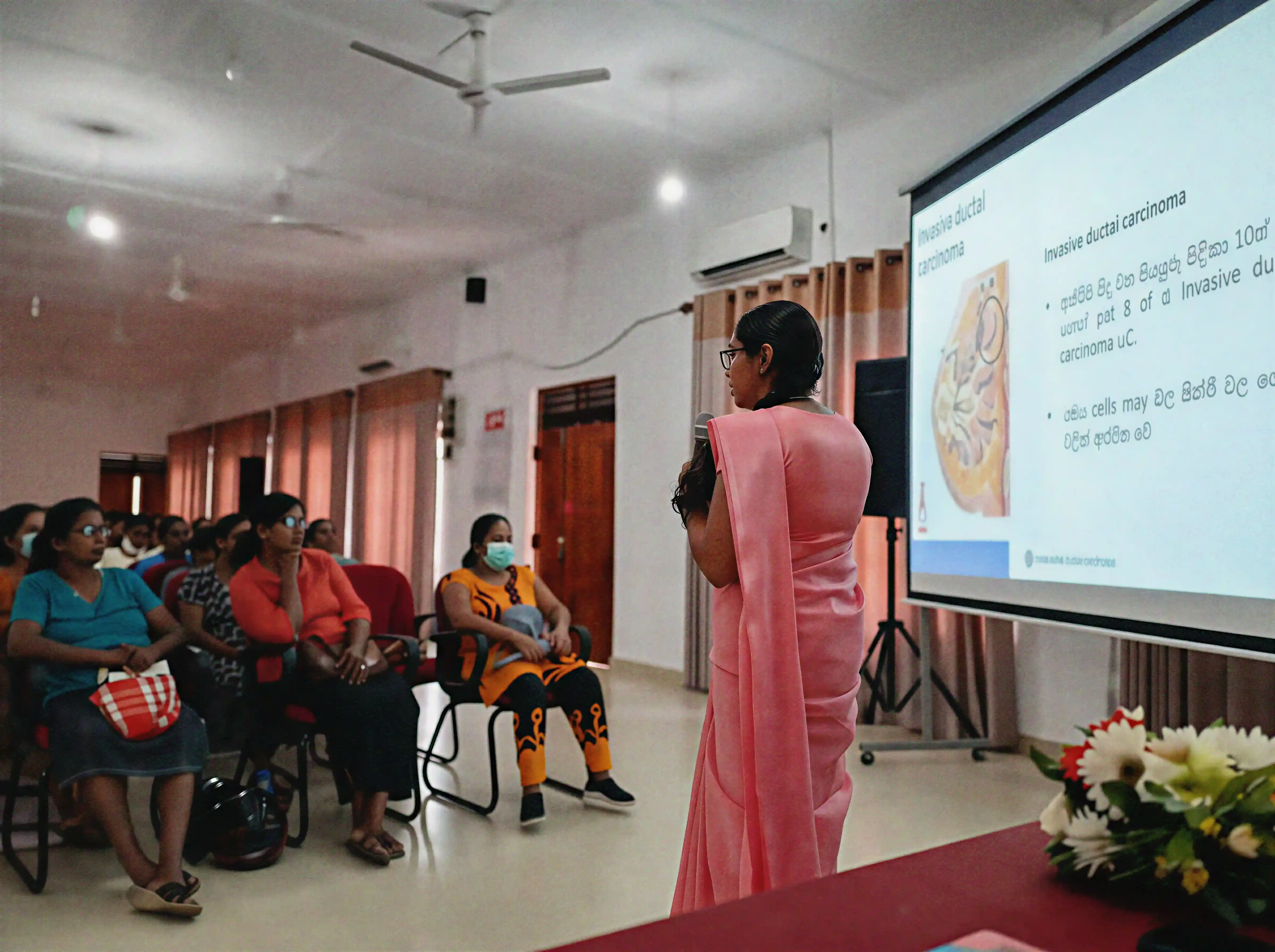
Reconciliation at Grassroots led by Women Local Government Members
In the districts of Ampara, Galle, Kurunegala, and Vavuniya, Women Local Government Members trained under SAPRI's 2021–22 project, supported by the Netherlands Embassy, took ownership of grassroots reconciliation long after the project formally concluded. Equipped with skills in community engagement and capacity building, these women councillors independently led programmes on women's empowerment, unity, and harmony across communities of diverse ages, genders, religions, and ethnicities.
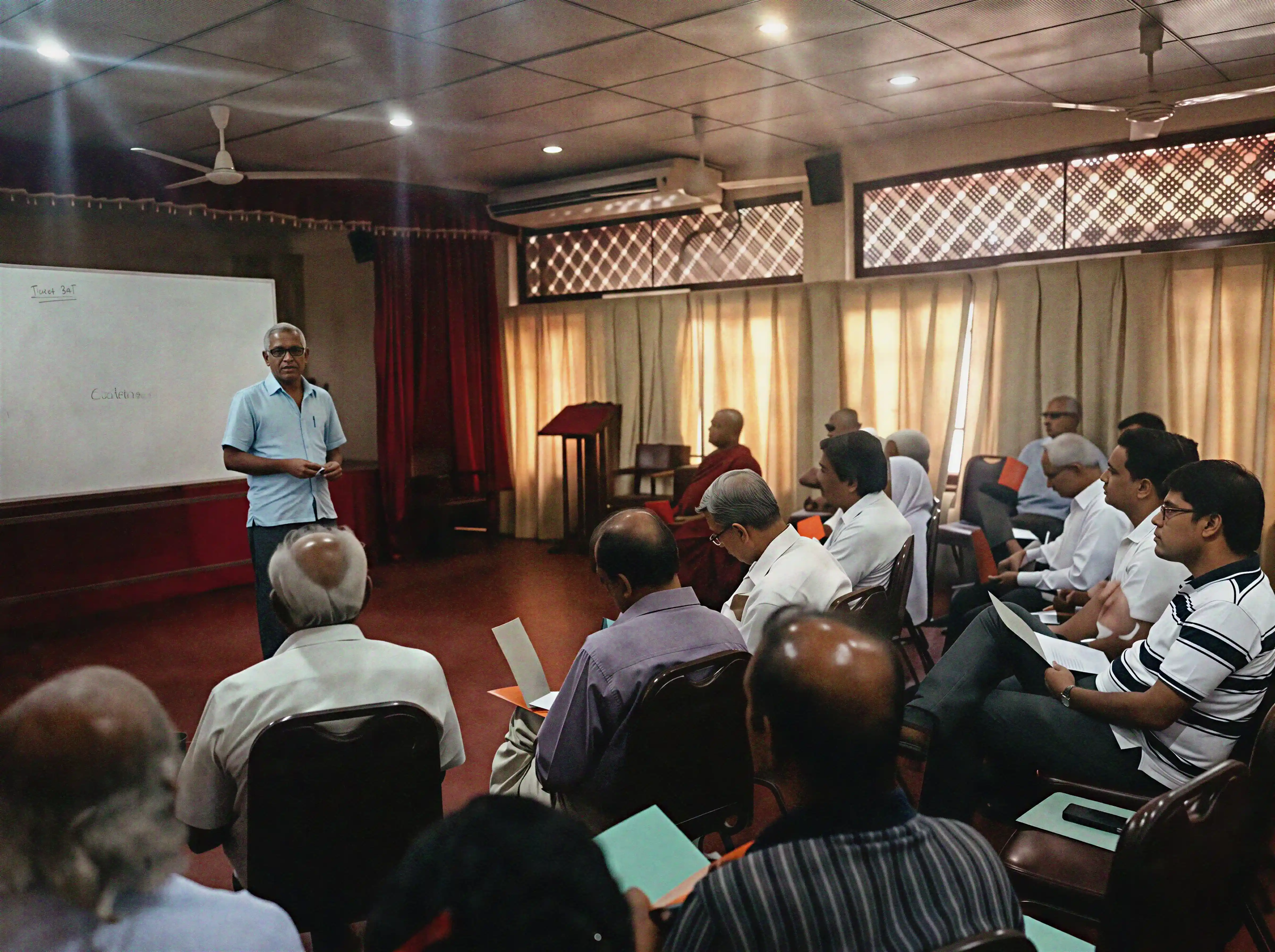
Enhancing the Freedom of Religion & Belief in Sri Lanka
In partnership with the UN International Organization for Migration (IOM), SAPRI brought together Buddhist, Hindu, Catholic/Christian, and Islamic clergy across Galle, Gampaha, and Kurunegala for the project 'Enhancing the Freedom of Religion & Belief' in the country, leading to ‘Heal the Past and Build the Future’. fostering interfaith dialogue and peaceful co-existence at the grassroots level in Sri Lanka.